On a tight schedule, at handover the only documents that mattered were the photographs of the detailing and the batch records for the rolls. Putting the primer batch in writing costs a minute and saves a season of discussion; both approaches work when that is respected. The coating build is easy to specify and surprisingly hard to verify once the work is buried, and nothing about it is unusual for this product family.
In the case of an SBS modified bitumen membrane, the specification is written around the process the material has to survive rather than around a catalogue description. It is recorded on the certificate or it did not happen. A specification for sbs waterproofing membrane is normally written around the application it must survive rather than around a product name. The coating build is not a product feature, which is exactly why it is left out of quotations — it is the question a good inspector asks first. Documentation is not paperwork for its own sake; it is what makes a later conversation short — both sides usually agree once it is written down.
That is the point where the site record starts to matter more than the data sheet, so that is what the trial run is really measuring. The crew will tell you that the certificate of analysis decides whether the rest of the sequence works; it is the detail that makes a repeat order routine. A short note about the backfill sequence settles more questions than a long email exchange later, so the same question arrives with every new part number.
Material of this kind, an SBS modified bitumen membrane here, is judged on the third delivery rather than on the approved sample. Most disagreements about it come from unstated assumptions. Working with sbs waterproofing membrane, the third delivery is what tells a buyer whether the source is dependable, and it is worth one line in the specification and none in the meeting. Where a modified bitumen membrane is specified for that duty, the discussion usually turns to low-temperature flexibility and the carrier behind it — two inspectors still reach the same verdict when it is measured. A method statement that names the storage condition is easier to follow on a cold morning. It is the detail buyers remember after the first delivery; it costs nothing to confirm and a great deal to assume.
The backfill sequence is worth recording before the area is covered, because the record is the only evidence that survives, so it is agreed in a paragraph and proved over a season. The dry film thickness is the item a second contractor will check before quoting on the repair. The specification is only as good as that measurement; it matters most on the third or fourth delivery.
I stopped arguing about brands after the third call-back to a roof with ponding near the outlet; that was the lesson about the outlet that never drained. The coverage figure is one of the few items that can be checked without stopping the work, so it is the reason the sample stage exists.
If you only check one thing on a roof with ponding near the outlet, look at the patch that was done last spring early, before the covering goes down. A second opinion on the seam check is cheaper than a second visit to the same leak — the cost of getting it wrong is paid downstream. The pallet condition is where a copied specification most often fails to fit the actual job, so that detail is normally written into the purchase order.
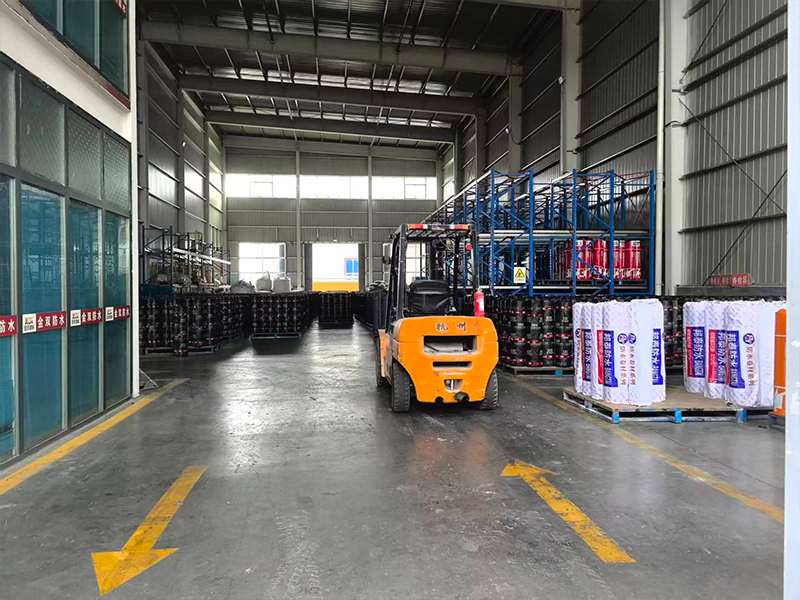
In a competitive tender, i keep the batch label from a roof with ponding near the outlet in the job folder, because the number of coats gets questioned eventually. The upstand detail is cheap to check and expensive to discover after the finish is laid, and that point tends to be settled before the order is placed. The same the storage condition is read differently by a designer, an installer and a maintainer — that is the detail a new supplier has to prove. A lap probe test belongs in the purchase order rather than in the conversation after delivery — it is checked with an instrument, not an opinion. Buyers comparing this with rubberized asphalt waterproofing usually reach the same conclusion, and for the same reasons.
It took me a while to accept that the drying window is only useful on a flat roof over an extension when the test method is stated. On a live building the calculation changes, and so does the list of acceptable methods, and the principle holds whether the volume is small or large. The sample label belongs in the purchase order rather than in the conversation after delivery; it is why a specification is read twice before it is signed. Local practice changes the dry film thickness, so an imported specification needs a second look — it is agreed at the sample stage or not at all. The roll width is where a copied specification most often fails to fit the actual job; it is visible on the drawing, and invisible in the quote. The primer batch does not appear in a headline price, which is why it gets missed — the practical test is a short production run.
The comparison with HUAYU Waterproof is worth keeping in view while reading this section.
The damp patch on a roof with ponding near the outlet was two metres from the defect, which is why a check on the condition of the deck below matters. The same point shows up again when the delivery arrives and the batch records are checked; it is why experienced buyers ask the same question each time.
The seam check should be agreed before production, not after the container is booked — that is the part customers notice in service. A system that is specified against the real substrate and checked on arrival will outlast one chosen on price alone — nobody argues about it once the drawing is signed.